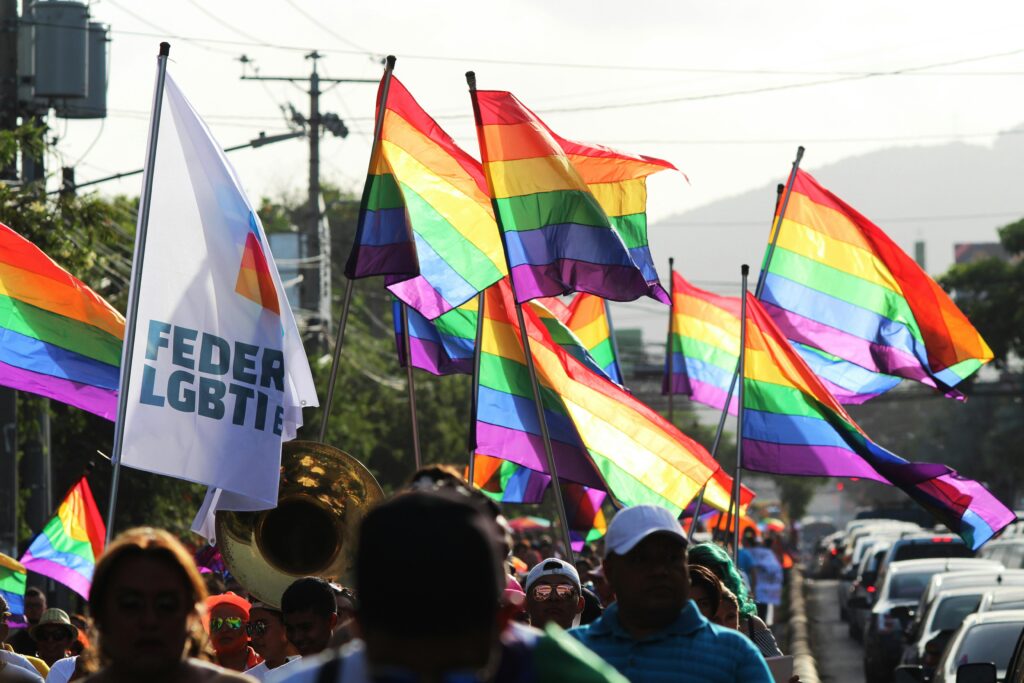
Happy Pride! As we celebrate this month of visibility, love, and resilience, we wish everyone in our community a safe and joyful Pride season. During times when our resilience and strength may be tested, the power of community becomes even more vital. Coming together, supporting one another, and creating spaces of understanding and acceptance can make all the difference in our collective well-being.
Language has the power to heal, affirm, and create connection. For members of the LGBTQ+ community, having accurate terminology and respectful understanding can significantly impact mental health and well-being. Research shows that LGBTQ+ individuals who experience affirming environments have lower rates of depression, anxiety, and suicidal ideation (1). As we celebrate PRIDE, understanding the diverse spectrum of identities within our community becomes essential for creating supportive spaces—whether in therapy, relationships, or daily life.
In this blog, we provide an educational guide exploring key terms that can better help understand the rich diversity ofLGBTQ+ experiences. Each identity deserves recognition, respect, and clinical competency from mental health professionals and allies alike
A is for Asexual, Aromantic, and Ally
Asexual individuals experience little to no sexual attraction to others, while aromantic individuals experience little to no romantic attraction. These identities exist on spectrums, with some people identifying as “gray-asexual” or “demiromantic.” Understanding these orientations is crucial in therapy, as asexual and aromantic individuals often face invalidation and pressure to conform to societal expectations about relationships and sexuality.
Ally refers to individuals who are not LGBTQ+ themselves but actively support and advocate for LGBTQ+ rights and well-being. Effective allyship involves ongoing education, using affirming language, and taking action to create inclusive environments. Members of the LGBTQ+ community can also be allies.
Research shows that LGBTQ+ youth who have support from family and allies are at lower risk of suicide and mental health conditions. with supportive allies in their lives report significantly better mental health outcomes and lower rates of suicidal ideation (2).
B is for Bisexual
Bisexual refers to individuals who are attracted to people of their own gender and other genders. This attraction doesn’t need to be equal or simultaneous. Bisexuality is often misunderstood, with individuals facing “bi-erasure” or assumptions that they must “choose a side.”
Bisexual individuals experience higher rates of mental health challenges compared to both heterosexual and gay/lesbian populations, often due to minority stress from multiple communities (3). Research indicates that bisexual youth may be at even greater risk for poor mental health outcomes compared to their heterosexual and solely same-sex-attracted peers.
C is for Cisgender
Cis-gender describes individuals whose gender identity aligns with the sex they were assigned at birth. Understanding this term helps normalize discussions about gender identity by providing language that doesn’t position transgender identities as “other” or “different.”
Using “cisgender” rather than “normal” or “biological” when discussing gender creates more inclusive and accurate language in therapeutic settings.
D is for Demisexual
Demisexual individuals only experience sexual attraction after forming a strong emotional bond with someone. This identity falls under the asexual spectrum and challenges societal assumptions about instant attraction and casual relationships.
G is for Gay, Gender Expression, and Gender Non-Conforming
Gay typically refers to men who are attracted to other men, though it can be used as an umbrella term for homosexual individuals of any gender. The term has evolved from being used as a slur to becoming a source of pride and identity within the LGBTQ+ community.
Gender Expression refers to how individuals present their gender identity through clothing, behavior, voice, body language, and other characteristics. Gender expression exists on a spectrum and may or may not align with societal expectations based on assigned gender.
Gender Non-Conforming describes individuals whose gender expression doesn’t align with societal expectations for their assigned gender. This can include clothing, behavior, interests, or presentation that society deems inappropriate for their gender.
Those with non-traditional gender expressions, and gender non-conforming people may face family rejection, workplace discrimination, and social stigma. Research consistently shows that LGBTQ+ individuals experience mental health challenges at rates 2.5 times higher than their heterosexual, cisgender counterparts (4), making affirming therapeutic support crucial for building resilience and self-acceptance.
I is for Intersex
Intersex refers to individuals born with sex characteristics (such as chromosomes, hormones, or anatomy) that don’t fit typical definitions of male or female bodies. Experts estimate that up to 1.7% of the population is born with intersex traits (5). Intersex is a naturally occurring variation in human biology, not a disorder that needs to be “fixed.”
Research shows that over 53% of intersex adults report fair to poor mental health, with prevalent diagnoses including depression and anxiety (6). These mental health disparities are largely driven by stigmatization, discrimination, and past medical trauma rather than being inherent to intersex variations themselves (7). Affirming care that validates intersex experiences and addresses trauma is essential.
L is for Lesbian
Lesbian refers to women who are attracted romantically and/or sexually to other women. This identity has a rich history and culture within the LGBTQ+ community, with unique experiences and challenges distinct from other sexual orientations.
N is for Non-Binary
Non-binary (sometimes shortened to “enby”) describes individuals whose gender identity doesn’t fit exclusively into “male” or “female” categories. Non-binary identities can include genderfluid, agender, bigender, and many other specific identities.
Non-binary individuals face unique challenges in accessing affirming healthcare and legal recognition, which can impact mental health and require specialized therapeutic understanding.
M is for Men Loving Men (MLM)
Men Loving Men (MLM) is an inclusive term that encompasses all men who are attracted to other men, including gay, bisexual, pansexual, and queer men. This terminology is particularly useful in clinical and research settings as it focuses on behavior and attraction rather than specific identity labels.
MLM individuals face higher rates of minority stress and may benefit from specialized therapeutic approaches that understand the unique challenges of male same-sex attraction in a heteronormative society.
P is for Pansexual, Polyamory, and Pronouns
Pansexual individuals are attracted to people regardless of gender identity. While similar to bisexuality, pansexuality specifically emphasizes attraction that transcends gender categories.
Polyamory refers to the practice of ethical non-monogamy, where individuals have multiple romantic relationships with the informed consent of all involved. This is distinct from polygamy and requires strong communication skills and emotional intelligence.
Pronouns are the words we use to refer to people (he/him, she/her, they/them, ze/zir, etc.). Respecting someone’s pronouns is a basic form of validation and respect. Many LGBTQ+ individuals, particularly transgender and non-binary people, may use pronouns different from what others might assume.
Using correct pronouns creates a safer environment and can save lives. According to Minnesota’s Department of Health, using correct pronouns are key to suicide prevention for LGBTQ+ individuals (8).
Q is for Queer and Questioning
Queer serves as both an umbrella term for LGBTQ+ identities and a specific identity for those who don’t fit into traditional categories. Once a slur, it has been reclaimed by many community members, though not everyone is comfortable with the term.
Questioning describes individuals exploring their sexual orientation or gender identity. This process can occur at any age and may be ongoing.
The questioning process can create anxiety and uncertainty. Therapeutic support can provide a safe space for exploration without pressure to label or decide quickly.
T is for Transgender
Transgender describes individuals whose gender identity differs from their assigned sex at birth. This includes people who transition medically, socially, both, or neither. Being transgender is not a mental health condition, though transgender individuals may seek therapy for support with transition-related decisions or minority stress.
Affirming therapy for transgender individuals focuses on support and exploration rather than changing gender identity, leading to significantly better mental health outcomes (9).
T is also for Two-Spirit
Two-Spirit is a term used by some Indigenous North Americans to describe individuals who fulfill a traditional third-gender role in their communities. This identity encompasses both spiritual and gender identity aspects and should be understood within its cultural context.
Two-Spirit identity is specific to Indigenous cultures and should not be appropriated by non-Indigenous individuals.
U is for Undetectable
Undetectable refers to having such a low level of HIV (viral load) in the blood that it cannot be detected by standard tests. When someone is undetectable, they cannot transmit HIV to sexual partners (U=U: Undetectable = Untransmittable). This scientific breakthrough has revolutionized HIV prevention and reduced stigma for people living with HIV.
Understanding U=U helps reduce HIV-related stigma and anxiety in both HIV-positive individuals and their partners. This knowledge can significantly improve mental health outcomes and relationship satisfaction for people living with HIV, while also addressing fears and misconceptions in the broader community.
W is for Women Loving Women (WLW)
Women Loving Women (WLW) is an inclusive umbrella term that encompasses all women who are attracted to other women, including lesbian, bisexual, pansexual, and queer women. This terminology creates space for the diverse experiences within sapphic relationships and attractions.
WLW individuals may face unique challenges including invisibility in healthcare settings, assumptions about their relationships, and compounded discrimination. Affirming therapy that understands these specific experiences is essential for supporting their mental health and relationship well-being.
Building Bridges Through Education
Understanding LGBTQ+ terminology is an ongoing journey, not a destination. As language evolves and new identities gain visibility, our commitment to learning and growing must remain constant. For mental health professionals, this competency isn’t optional—it’s essential for providing ethical, effective care.
Language evolves, and so does our understanding of identity and human experience. What matters most is approaching each person with respect, curiosity, and willingness to learn. In therapeutic settings, using affirming language and demonstrating cultural competency can be life-saving for LGBTQ+ individuals.
At Holistic Psychological Services, Inc., we’re committed to providing affirming, culturally competent care that honors the full spectrum of human identity and experience. Whether you’re exploring your own identity, supporting a loved one, or seeking to create more inclusive spaces, education and understanding are the first steps toward healing and connection.
Supporting Your Journey
Every individual deserves to feel seen, respected, understood, and affirmed in their identity. At Holistic Psychological Services, Inc., we provide specialized, affirming care for LGBTQ+ individuals and their families. Our approach recognizes that mental health challenges often stem from external stressors rather than identity itself. Visit Holistic Psychological Services, Inc. to learn more about our services and discover how we can support your journey toward authentic well-being.
References:
- The Trevor Project. (2023). 2023 U.S. National Survey on the Mental Health of LGBTQ+ Young People.
- Insight Northwest Recovery. (n.d.). LGBTQ statistics: Mental health & community support.
- Russell ST, Fish JN. Mental Health in Lesbian, Gay, Bisexual, and Transgender (LGBT) Youth. Annu Rev Clin Psychol. 2016.
- Mental Health America. (2024). LGBTQ+ Communities and Mental Health.
- Office of the High Commissioner for Human Rights. (2023). Intersex people.
- Rosenwohl-Mack, A., et al. (2020). A national study on the physical and mental health of intersex adults in the U.S. PLOS One, 15(10), e0240088.
- Center for American Progress. (2023). Key Issues Facing People With Intersex Traits.’
- Minnesota Department of Health, Mental Health and Well-being Committee of the Minnesota Suicide Prevention Taskforce. (2022, June 2). Using a person’s correct pronouns saves lives: Pronouns are a key to suicide prevention.
- Reisner, S. L., et al. (2016). Mental health of transgender youth in care at an adolescent urban community health center. JAMA Pediatrics, 170(10), 961-968.
Disclaimer: The content provided in this blog is for informational purposes only and is not intended as a substitute for professional medical advice, diagnosis, or treatment. If you are experiencing mental health challenges, please seek the advice of a qualified mental health professional. For immediate support, call 988 for 24/7 confidential assistance.