
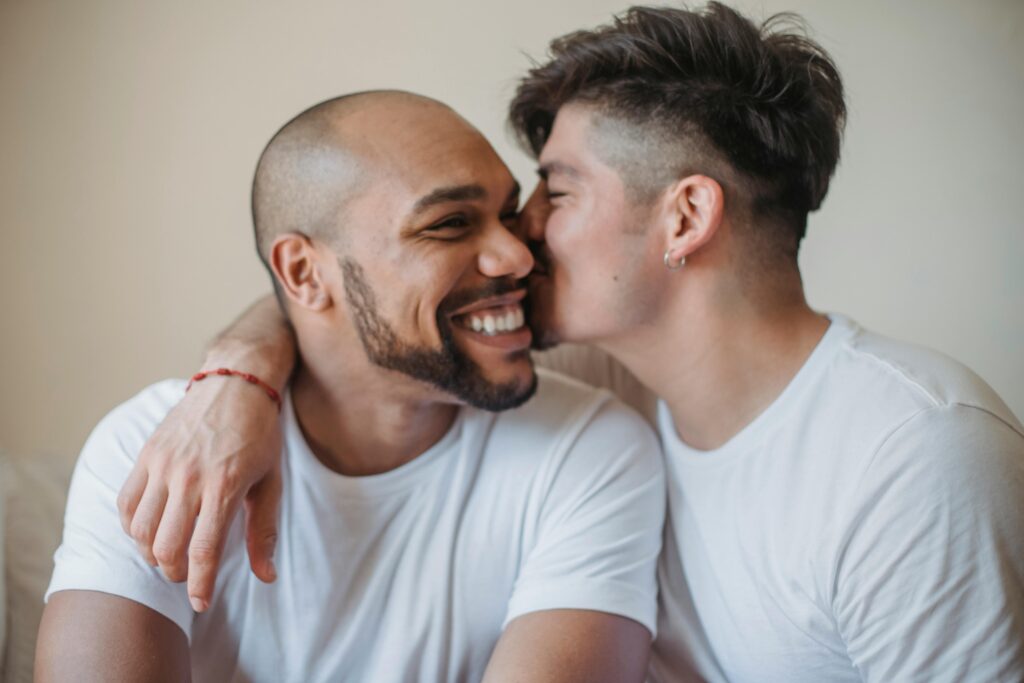
Have you ever found yourself questioning whether someone is truly right for you, or wondering if you’re staying because it’s comfortable, not because it’s aligned?
In this month’s blog we will be diving into what to look for in a partner. In today’s fast-paced dating culture, it’s easy to feel pressure to “figure it out” quickly. But building a meaningful relationship requires more than chemistry, it calls for clarity, self-awareness, and emotional safety. Research shows that attachment and emotional connection play a major role in relationship satisfaction and stability [1].
If you’ve experienced past hurt, confusion in relationships, or difficulty trusting your instincts, you’re not alone in this.
What Does It Mean to Choose the Right Partner?
Choosing the right partner isn’t about perfection—it’s about alignment. It means connecting with someone whose values, communication style, and emotional availability are compatible with your own.
From a trauma-informed perspective, our relationship patterns are often shaped by past experiences and attachment wounds. These patterns can influence who we feel drawn to and how we behave in relationships [1].
Developing awareness of these patterns is a key part of healing and building healthier, more intentional relationships.
How These 8 Questions Show Up in Real Life
Choosing the right partner isn’t about perfection—it’s about alignment. It means connecting with someone whose values, communication style, and emotional availability are compatible with your own.
From a trauma-informed perspective, our relationship patterns are often shaped by past experiences and attachment wounds. These patterns can influence who we feel drawn to and how we behave in relationships [1].
Developing awareness of these patterns is a key part of healing and building healthier, more intentional relationships.
How These 8 Questions Show Up in Real Life
1. Can I be myself around them?
Do you feel comfortable expressing your identity, humor, and emotions—or do you feel pressure to filter yourself? Do you say “it’s fine” when it’s actually not, just to avoid making things awkward?
Authenticity is closely tied to emotional safety and connection. When you can show up as your full self, it supports deeper intimacy and trust [1].
2. How do they handle conflict or disagreement?
Conflict is a natural part of connection. What matters is how it’s approached.
Do they communicate openly?
Are they willing to repair after tension?
Do they take accountability when something goes wrong, or do things just get brushed off?
Research shows that healthy relationships prioritize repair and understanding over avoidance or escalation [3].
3. Do they follow through on what they say?
Consistency helps build trust and emotional safety.
Trust grows when words and actions line up, again and again.
Notice whether their actions align with their words over time. Consistency is a key component of secure attachment and relationship stability [1].
4. How do I feel after spending time with them?
Your emotional response matters.
Do you feel grounded, calm, and respected?
Or anxious, drained, or unsure?
Are you energized after interacting, or mentally exhausted and second-guessing yourself?
Ongoing feelings of anxiety or distress in relationships can be a sign that your emotional needs are not being met [4].
5. Are they emotionally available?
Emotional availability can look different for everyone, but it often includes:
- Willingness to connect
- Openness to discussing feelings
- Capacity for mutual support
- Being willing to listen without judgment when you share your feelings.
These qualities are essential for building intimacy and secure connection [1].
6. Do we want the same kind of relationship?
Alignment in relationship goals can prevent confusion and hurt.
Being clear about what you both want keeps confusion and mixed signals to a minimum.
This might include conversations about:
- Commitment style
- Life goals and values
- Lifestyle preferences
Clarity helps support emotional security and reduces misunderstandings over time [2].
7. How do they treat other people?
Observe how they interact with others in different settings.
Kindness, respect, and accountability across relationships can be strong indicators of emotional maturity and relational health.
Showing up with kindness, keeping promises, and taking responsibility signals a healthy relationship style.
8. Am I choosing from clarity or from fear/loneliness?
This question invites deep self-reflection.
Are you drawn to this person because they align with your values—or because being alone feels uncomfortable?
Do they inspire you to grow, or do they just keep the boredom away?
Modern dating culture can amplify pressure to settle or rush decisions. This is discussed in an episode of The Mel Robbins Podcast, where dating expert Logan Ury explains how people often choose from urgency rather than alignment [2].
Emotional & Psychological Impact
When we choose relationships that aren’t aligned with our needs, it can impact our emotional well-being over time.
You might notice:
- Increased anxiety or overthinking
- Feelings of confusion or self-doubt
- Difficulty trusting your own judgment
- Emotional exhaustion
These experiences are often connected to insecure attachment patterns and can affect long-term mental health and relationship satisfaction [1][4].
Moving Toward Aligned Relationships
Healing doesn’t mean you’ll never experience uncertainty—it means you’ll have the tools to navigate relationships with greater clarity and care.
Some supportive steps include:
- Practicing self-awareness
- Strengthening emotional regulation
- Setting relationship boundaries
- Seeking support
Learning to understand your emotional patterns and responses is a key part of building healthier, more aligned relationships [1][4].
Choosing from Clarity, Not Fear
Choosing the right partner is not a race—it’s a process of alignment, self-trust, and intentional connection.
If you recognize yourself in these patterns, know that change is possible. With time, support, and self-awareness, you can build relationships that feel grounded, mutual, and fulfilling.
You deserve a relationship where you feel seen, respected, and able to be your full self.
At Holistic Psychological Services,Inc we know that every person brings their own story into relationships.
There’s no “right” way to do relationships. Our goal is to meet you where you are and help you move toward the kind of relationships and life you actually want.
If you’re thinking about getting support, you can start by booking a free 15-minute phone consultation.
References:
Disclaimer: The content provided in this blog is for informational purposes only and is not intended as a substitute for professional medical advice, diagnosis, or treatment. If you are experiencing mental health challenges, please seek the advice of a qualified mental health professional. For immediate support, call 988 for 24/7 confidential assistance.