As Pride month comes to an end, let us not forget that Pride, equality, and human rights is year round, all day everyday. In this week’s blog, we focus on the LGBTQ+ community, and the unprecedented moments of crisis. Additionally, we highlight what the new allyship looks like and why it intersects with decolonizing your mind.
With over 850 anti-LGBTQ+ bills filed this year alone, corporate sponsors retreating from Pride events, and violent rhetoric escalating against our community, the comfortable version of allyship is no longer sufficient. This moment demands we examine not just our actions, but the very foundations of how we think about identity, oppression, and liberation.
True allyship requires decolonizing our minds—questioning the colonial frameworks that taught us to see some lives as worthy of protection and others as expendable. It requires understanding that LGBTQ+ liberation cannot be separated from all liberation movements, from the river to the sea and everywhere in between.
The Colonial Roots of Anti-LGBTQ+ Oppression
To understand the current attacks on LGBTQ+ people, we must trace their roots to colonial systems of control. Colonialism didn’t just steal land—it imposed rigid categories on gender, sexuality, family structures, and relationships that many cultures had previously understood as fluid and expansive.
Research in liberation psychology shows us that “resistance to unjust power relations of race, class, and gender always exists” and that understanding these intersections is crucial for effective resistance (1). The same colonial mindset that justified the displacement of Indigenous peoples, the enslavement of Africans, and the occupation and current genocide of Palestine also created the gender binaries and heteronormative structures that oppress LGBTQ+ people today.
When we examine the current wave of anti-trans legislation, we see the same logic that has been used to control and eliminate Indigenous peoples, to separate families at borders, and to justify violence against Palestinian children. The tactics and tools are the same: defining who counts as human, who deserves protection, and who can be erased.
Decolonizing Your Beliefs About LGBTQ+ Identity
Many of us carry colonial programming about gender and sexuality that we’ve never questioned. This programming tells us that:
- Gender is determined by anatomy at birth
- Heterosexuality is “natural” and everything else is deviation
- Nuclear families are the only valid relationship structure
- Love and attraction should follow predictable patterns
But these beliefs aren’t universal truths—they’re colonial impositions. Many Indigenous cultures had expansive understandings of gender and sexuality long before European contact. The Lakota concept of “winkte,” the Navajo “nádleehi,” the Filipino “babaylan”—these traditions honored gender diversity as sacred, not pathological (5).
Decolonizing your mind means recognizing that your discomfort with LGBTQ+ identities might not be moral intuition—it might be colonial conditioning. It means asking: What would it look like to see gender fluidity as natural? What would it mean to honor love in all its forms?
The Psychology of Intersectional Liberation
Recent research in intersectional psychology reveals that “intersectionality has generated interdisciplinary and international engagement” precisely because it helps us understand how different forms of oppression interconnect and reinforce each other (1). This isn’t just academic theory—it’s survival knowledge.
When we understand that the same systems oppressing LGBTQ+ people are also enforcing apartheid in Palestine, perpetuating mass incarceration, and destroying Indigenous communities, we can build more effective resistance. In addition, at a systematic level, all systems of oppression fuel one another, meaning they must be fought simultaneously, and not in isolation. This is precisely why Palestinian liberation is a queer issue. (2).
“Queer Palestinians are simultaneously dealing with the same issues as other Palestinians while also fighting for legal recognition and protection from anti-LGBTQ+ discrimination” (3). Their struggle illuminates how liberation movements must be intersectional to be effective. You cannot free Palestine while abandoning queer Palestinians You cannot protect LGBTQ+ rights while ignoring the violence of occupation and apartheid. You cannot be selective about who deserves freedom and who does not, as this means subscribing to the same colonial and capitalistic mindset.
Your Role in the Resistance
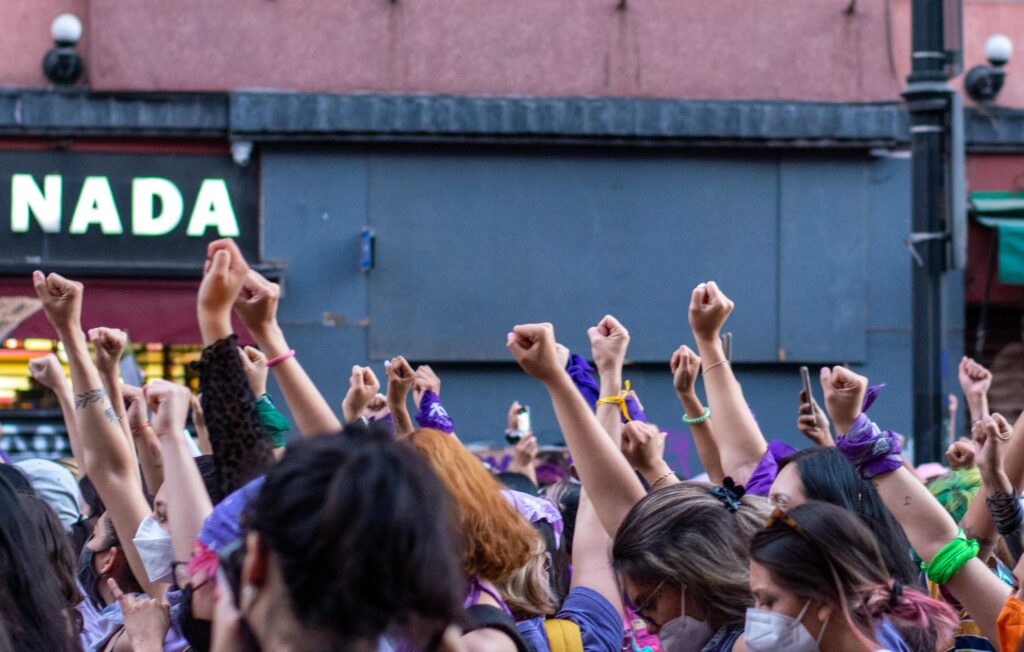
Authentic allyship during this moment requires more than learning pronouns or posting rainbow flags. It requires education and accountability, understanding that you may be complicit with your words and that your actions have to walk differently. It requires understanding that your liberation is bound up with everyone else’s liberation. It requires seeing resistance as a collective project, not self centered or individual charity.
Question Your Comfort Zone: If your allyship doesn’t challenge your own privilege or require you to risk anything, you’re not going deep enough. True solidarity means using your privilege to dismantle the systems that granted it to you.
Connect the Struggles: “Many prominent LGBTQ figures have expressed solidarity with or sympathy for the Palestinian cause, such as Jean Genet, June Jordan, Audre Lorde, James Baldwin, Judith Butler, bell hooks and Leslie Feinberg” (4). They understood that fighting for queer liberation means fighting all systems of oppression.
Challenge Colonial Frameworks: When you hear politicians using “protecting women and children” to justify anti-trans legislation, recognize this as the same rhetoric used to justify war, occupation, and genocide. The colonial mindset always positions some people as needing protection from others, rather than addressing the systems that create danger.
Support Intersectional Organizations: Fund and amplify organizations led by people who hold multiple marginalized identities. “Queer people—openly gay people—in solidarity with Palestine have been welcomed [in Palestine] for almost 60 years” (4), showing us models of solidarity that transcend single-issue politics.
Understanding Connected Liberation
The phrase “from the river to the sea” has become a lightning rod, but its power lies in its vision of total liberation. It refuses the colonial logic that says freedom must be parceled out, that some people must wait for others to be free first.
This vision applies to LGBTQ+ liberation too. We cannot be free while trans people are criminalized. Cisgender gay people cannot be safe while trans youth are denied healthcare. White queer people cannot claim liberation while Black and Brown LGBTQ+ people face state violence.
“The intersectionality of Palestinian queer experience calls for solidarity that transcends the mere acknowledgement of their struggle, and advocates for Palestinian liberation and queer liberation together”(2). This is the model we need: liberation that refuses to leave anyone behind.
Practical Steps for Decolonized Allyship
Educate Yourself on Colonial History: Understand how colonialism shaped Western attitudes toward gender, sexuality, and relationships. Learn about the gender diversity that existed in cultures before colonial contact.
Challenge Systems, Not Just Individual Attitudes: Vote in every election, especially local ones where anti-LGBTQ+ policies often originate. Support organizations doing systemic change work, not just service provision.
Practice Intersectional Solidarity: When you show up for LGBTQ+ rights, also show up for Palestinian liberation, immigrant rights, Indigenous sovereignty, and racial justice. These struggles are connected.
Examine Your Own Privilege: What systems benefit you that harm others? How can you use your privilege to create change rather than just feel better about yourself?
Listen to Marginalized Voices: Center the leadership of people who hold multiple marginalized identities. Pay attention to queer and trans people of color, disabled LGBTQ+ people, and others whose voices are often silenced.
The Path Forward
This moment of crisis is also a moment of opportunity. As the contradictions of the system become more visible, more people are ready to question everything they’ve been taught. The same colonial systems that oppress LGBTQ+ people are also destroying the planet, concentrating wealth, and perpetuating endless war. People deserve better, we can make it happen, together.
Your role as an ally is not to save anyone—it’s to join the resistance. It’s to understand that your freedom is impossible without everyone else’s freedom. It’s to decolonize your mind so you can help build a world that is ours, and not just a world that serves the elite.
From the river to the sea means from your local school board to international solidarity. It means recognizing that a Palestinian child’s right to exist is connected to a trans child’s right to healthcare. It means understanding that liberation is not a one-time call to your senator, and one Instagram post. It means relentlessly acting in a way that is aligned with the collective freedom of everyone—it’s the only path to collective healing and peace
At Holistic Psychological Services, Inc., we’re committed to supporting individuals and communities in this work of decolonizing our minds and building authentic solidarity. Whether you’re exploring your own identity, supporting a loved one, or working to create more just systems, we’re here to support your journey toward collective liberation.
References:
Disclaimer: The content provided in this blog is for informational purposes only and is not intended as a substitute for professional medical advice, diagnosis, or treatment. If you are experiencing mental health challenges, please seek the advice of a qualified mental health professional. For immediate support, call 988 for 24/7 confidential assistance.